Blue Cheese Gravy
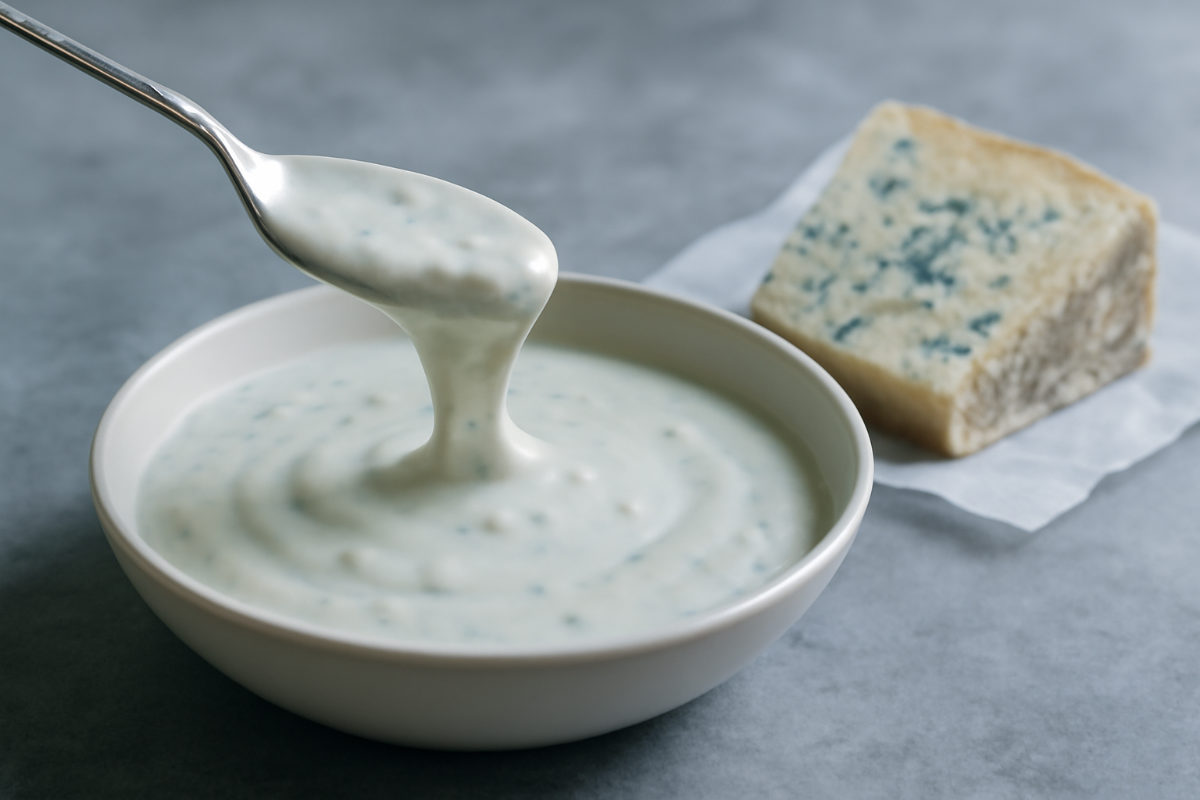
A butter and flour base loosened with beef stock and cream, with crumbled blue cheese melted in off the heat so it stays smooth rather than stringy.
- blue cheese
- stilton
- steak
- burger sauce
- Prep
- 5 min
- Cook
- 15 min
- Total
- 20 min
- Serves
- 4
- Difficulty
- Easy
Blue cheese and beef is a very old pairing and this is the easiest way to get it onto a plate. The whole recipe hangs on one moment: the pan comes off the heat before the cheese goes in. Blue cheese is high in fat and low in the sort of protein that likes boiling, so it splits fast if you rush it.
Ingredients
Makes about 350ml, enough for four steaks or four plates of chips
Scaled amounts are rounded to something you can actually measure. Season at the end and trust your mouth over the maths.
Kit
- Small heavy saucepan
- Balloon whisk
- Grater or fork for crumbling
Method
Crumble the cheese into small pieces before you start cooking and leave it out of the fridge for ten minutes. Small, not cold, is how it melts evenly. A big cold lump dropped into a hot pan will go stringy on the outside before the middle has moved.
Melt the butter in the saucepan over a medium heat, stir in the flour and cook the paste for a minute until it smells biscuity and has turned the colour of pale sand.
Add the hot stock a third at a time, whisking hard between each addition. The first splash will seize into a thick lump, which is what should happen. Keep whisking until it is smooth before the next lot goes in.
Bring it to a gentle simmer and cook for three minutes so the flour loses its raw taste. It should be about the thickness of single cream at this point.
Stir in the double cream and the Worcestershire sauce and let it come back to a bare simmer for a minute. Now taste it. Blue cheese is very salty, so this base should taste slightly under seasoned.
Take the pan completely off the heat and wait ten seconds. Add the crumbled cheese in three lots, stirring each in until it has melted before the next goes in. The residual heat in the pan is enough. If the pan cools too much and some cheese stays lumpy, put it back on the lowest heat for a few seconds only.
Grind in black pepper, scatter over the chives and serve immediately, while it is still loose and glossy.
Tips worth knowing
- Boiling melted blue cheese is what makes it grainy and oily. Once the cheese is in, the sauce should never see direct heat again. If it needs holding, sit the pan over another pan of hot water off the hob.
- Choose the cheese to suit the job. Stilton is punchy and slightly crumbly, Dolcelatte is mild and melts like butter, and Gorgonzola sits in between. For a first attempt Dolcelatte is the most forgiving.
- Salt the sauce after the cheese, not before, and you will probably find it needs none at all. A hundred grams of Stilton carries roughly two grams of salt on its own.
- If it does go grainy, whisk in two tablespoons of cold double cream off the heat. It will not be perfect but it will be pourable and it will still taste good.
Change it up
- Fry a finely chopped shallot in the butter for three minutes before adding the flour, which softens the edge of a strong Stilton.
- Swap 50ml of the stock for port or Madeira and reduce it right down before adding the rest, for a richer version to go with beef.
- Use a mild goat's cheese log instead of blue, added the same way off the heat, for something lighter to serve with chicken.
Keeping and reheating
Two days in the fridge. It sets almost solid when cold. Reheat very gently in a small pan with a splash of milk or stock, stirring constantly, and take it off before it simmers. Do not freeze it, as blue cheese sauces separate badly.
Questions people ask
Why has my blue cheese sauce gone grainy?
The cheese was boiled. Once cheese melts, more heat drives the fat out of the emulsion and leaves the solids behind as grains. Take the pan fully off the heat before the cheese goes in and stir it through in stages using only the heat already in the pan.
What is the best blue cheese for a sauce?
Dolcelatte melts most easily and gives a smooth, mild sauce. Stilton gives more flavour but is drier and needs a bit more care. Avoid anything very hard or very aged, as it has less moisture and is more likely to go stringy.
Can I make blue cheese sauce without flour?
Yes. Reduce 200ml of double cream by a third over a low heat, then take it off and stir the cheese in. It is richer and thicker, and gluten free, but you will get a smaller quantity for the same money.